Blogs
Articles

Why Sales and Marketing Alignment Fails (And How to Fix It in 2026)
Sales and marketing alignment costs businesses more than $1 trillion each year due to failure. The numbers tell a shocking story - 96% of sales and marketing professionals don't deal very well with strategy alignment.
The message comes through loud and clear. Teams that operate in silos create losses for everyone. Companies with poor collaboration are nowhere near as likely to hit their revenue targets, showing a 37% decrease. The flip side reveals a different story. Sales professionals who stay in sync with marketing are 106% more likely to exceed their sales targets.
In this piece, we'll uncover the reasons behind marketing and sales alignment failures and share useful strategies to fix these problems in 2025. The core team misses out on 80% of vital commercial activities that need both functions working together. We'll show you how to turn this collaboration challenge into your competitive edge.
What is sales and marketing alignment?
Sales and marketing alignment means getting these two departments to work together to reach business goals. This setup helps teams work smoothly as one unit to attract, keep and grow customer relationships. The old way of keeping departments separate transforms into a unified system that generates revenue.
Definition and core principles
Sales and marketing alignment requires more than just regular meetings or updates. Several key principles make this work:
Shared revenue targets and joint performance metrics
Clear agreement on lead qualification standards (MQLs and SQLs)
Combined technology systems that share data
Brand messages that stay consistent across customer touchpoints
Teams that communicate and share feedback regularly
LinkedIn's Global Product Marketing Leader Taina Palombo-Price puts it well: "The work that marketing does sets up the sales organization to do the part of the job that is theirs. You can't do one without the other".
Why it matters in B2B environments
The numbers show how proper alignment affects the bottom line. Companies with aligned teams see 32% higher revenue growth. They keep 36% more customers and win 38% more deals. These businesses grow 24% faster and increase profits by 27% over one year.
Poor alignment costs companies dearly. Sales teams don't use 60-70% of B2B content. Nearly 75% of marketing leads fail to convert into sales.
The data speaks clearly in today's market - sales professionals who work well with marketing are 106% more likely to hit their sales targets.
How alignment impacts the buyer journey
B2B buying has changed completely. Gartner reports buyers spend just 17% of their time meeting potential suppliers. Customers now expect a smooth experience throughout their buying process.
This means teams must create consistent messages and personal interactions that build trust. Sales and marketing need to cooperate to create content that builds buyer confidence at each stage. Buyers move through the purchase process faster and feel more confident about their decisions.
The research backs this up: 42% of buyers reported high-quality deals when working with sales representatives, compared to only 16% for online self-service purchases.
What is sales and marketing alignment?
Sales and marketing alignment means getting these two departments to work together to reach business goals. This setup helps teams work smoothly as one unit to attract, keep and grow customer relationships. The old way of keeping departments separate transforms into a unified system that generates revenue.
Definition and core principles
Sales and marketing alignment requires more than just regular meetings or updates. Several key principles make this work:
Shared revenue targets and joint performance metrics
Clear agreement on lead qualification standards (MQLs and SQLs)
Combined technology systems that share data
Brand messages that stay consistent across customer touchpoints
Teams that communicate and share feedback regularly
LinkedIn's Global Product Marketing Leader Taina Palombo-Price puts it well: "The work that marketing does sets up the sales organization to do the part of the job that is theirs. You can't do one without the other".
Why it matters in B2B environments
The numbers show how proper alignment affects the bottom line. Companies with aligned teams see 32% higher revenue growth. They keep 36% more customers and win 38% more deals. These businesses grow 24% faster and increase profits by 27% over one year.
Poor alignment costs companies dearly. Sales teams don't use 60-70% of B2B content. Nearly 75% of marketing leads fail to convert into sales.
The data speaks clearly in today's market - sales professionals who work well with marketing are 106% more likely to hit their sales targets.
How alignment impacts the buyer journey
B2B buying has changed completely. Gartner reports buyers spend just 17% of their time meeting potential suppliers. Customers now expect a smooth experience throughout their buying process.
This means teams must create consistent messages and personal interactions that build trust. Sales and marketing need to cooperate to create content that builds buyer confidence at each stage. Buyers move through the purchase process faster and feel more confident about their decisions.
The research backs this up: 42% of buyers reported high-quality deals when working with sales representatives, compared to only 16% for online self-service purchases.
Why sales and marketing alignment fails?
Research shows that at least 25% of Sales and Marketing teams continue to operate as independent, siloed departments. The numbers look even worse when you consider that only 17% of teams report complete alignment.
Communication breakdowns cause the biggest problems. Studies reveal that 43% of marketers and sales reps point to poor communication as their main obstacle to alignment. This gets worse as teams grow larger.
The mismatch in success metrics creates another major hurdle. Sales teams measure their success through revenue, bookings, and churn—numbers that push for quick wins. Marketing teams focus on lead numbers and brand visibility. This gap means one team can hit every target while the other falls short.
The teams also struggle with disconnected tools and systems. Picture this: marketing uses HubSpot while sales sticks to Salesforce, and neither team can access the other's platform. This tech divide creates:
Data inconsistencies and synchronization issues
Excessive context switching
Lack of a single source of truth
Problems with handoff processes make things worse. Teams clash over qualifying criteria and can't agree on how to transfer leads. Opportunities slip away because no one has defined clear procedures.
Resource competition adds more tension, as both departments compete for budgets and recognition. Team members focus on protecting their positions instead of working together.
These challenges create a blame game. Sales blames marketing for bad leads, while marketing says sales doesn't follow through. This toxic environment hurts everyone and costs companies up to 10% in lost revenue.
5 problems alignment can solve
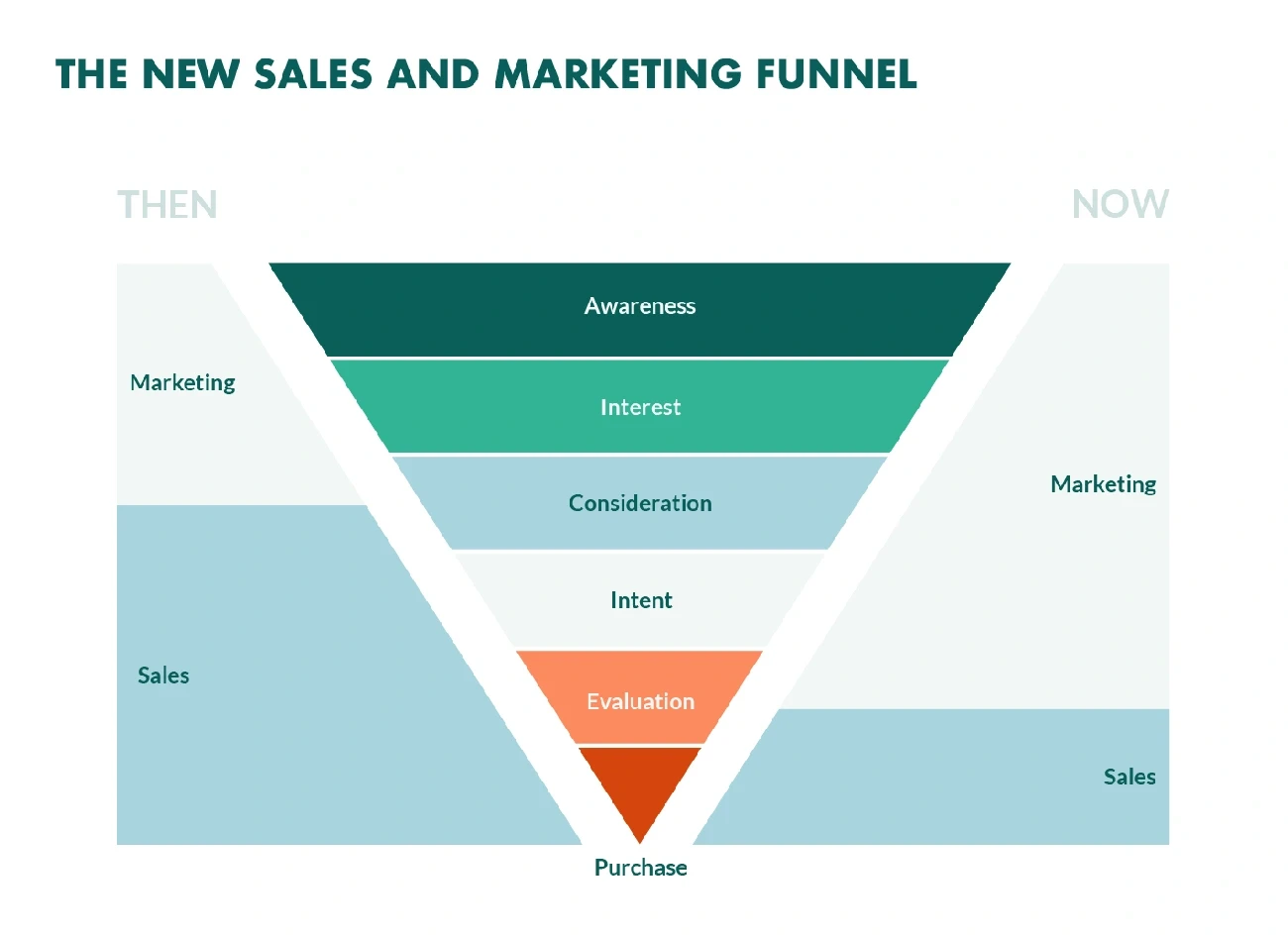
Poor coordination between sales and marketing teams creates more than just headaches it costs companies a lot of money.
Here are five key problems that better teamwork can solve:
1. Disconnected data and tools
Sales and marketing teams using different platforms and CRMs create major roadblocks to working together. Companies often juggle 4-6 separate tools, which leads to scattered customer data. Teams end up working with incomplete information because of this split. An operational center of excellence can help centralize technology and reveal hidden patterns for smarter decisions. Persana has solutions that help bridge these tech gaps effectively.
2. Low content adoption by sales
Sales teams barely use most marketing materials a direct result of poor coordination. Marketing teams often create sales resources without getting input from sellers. This results in content that misses real customer concerns. Sellers either ignore these resources or make their own materials. Marketing teams should join sales calls to understand customer challenges firsthand and create materials that sellers actually need.
3. Missed opportunities from poor handoffs
The handoff of leads often creates friction between teams. Marketing generates hundreds of marketing-qualified leads through campaigns, but sales teams might chase after recycled opportunities. This wastes resources and creates delays that let competitors reach potential customers first. Clear service-level agreements about how quickly sales must respond to leads will help interested buyers get timely responses.
4. Knowing how to measure marketing ROI
Only 8% of marketers say they track ROI "very or extremely well," while 24% admit they're "not successful at all". Teams working separately makes it hard to show results marketing can't prove how their content helped close deals. This hides inefficiencies and makes investment decisions harder. Better coordination gives both teams clear insight into how content affects the bottom line.
5. Stagnant GTM strategies
A shocking 90% of organizations fail to execute their strategies well. New product launches hit a ceiling as growth slows down. Teams work in separate bubbles without proper coordination: marketing chases leads, sales pursues deals, and product focuses on features. Well-coordinated teams use feedback loops to spot market trends, find opportunities, and adjust strategies quickly.
How to fix sales and marketing alignment in 2026
Sales and marketing teams need strategic action, not wishful thinking to fix their disconnect. Here's how companies are solving these arrangement issues in 2026:
Create shared goals tied to revenue
Teams that work in harmony achieve 38% higher sales win rates and 36% higher customer retention rates. A common North Star metric focused on revenue should guide both departments. This metric breaks down into shared KPIs that link marketing activities to sales outcomes instead of tracking separate metrics.
Use sales enablement tools with AI
Technology plays a vital role in modern team arrangement. B2B organizations have widely adopted AI for sales at 78%, yet less than half make full use of these tools. Advanced platforms combine content management, analytics, and coaching into single systems that benefit both departments. [Check out Persana for AI-powered arrangement solutions that bridge the gap between teams.]
Establish regular cross-team meetings
One-third of B2B sales and marketing teams don't hold regular meetings. The most successful organizations hold weekly discussions for tactical planning and monthly strategic reviews. These meetings help build mutual understanding and keep priorities on track.
Co-develop buyer personas and messaging
Both teams should work together to create buyer personas that target similar customers with consistent messaging. Sales teams bring insights from ground conversations while marketing adds data about audience behavior. This cooperative effort creates detailed profiles that guide both teams.
Centralize communication and feedback loops
Teams should share data about customer interactions, campaign results, and lead statuses. A closed-loop reporting system helps sales provide feedback to marketing about lead quality and campaign effectiveness.
Encourage constructive tension and collaboration
Teams need psychological safety to voice concerns freely. Members should approach conflicts assuming positive intent. The focus should be on solutions that help both departments rather than winning individual arguments.
Conclusion
Sales and marketing alignment stands as a crucial factor in organizational success, not just a nice-to-have initiative. In this piece, we got into how misalignment costs businesses over $1 trillion annually and creates frustrating disconnects between teams driving revenue. So, companies that get these departments to work together achieve 32% higher revenue growth, 36% better customer retention, and 38% higher win rates.
Communication breakdowns, mismatched metrics, disconnected technologies, poor handoffs, and resource competition create alignment challenges. These issues won't resolve themselves unless properly addressed. In spite of that, smart organizations have started implementing solutions that bridge these divides. Shared revenue goals, AI-powered sales enablement tools, regular cross-team meetings, and collaborative persona development help break down traditional silos.
Companies prioritizing alignment gain key competitive advantages. They create better content, capture more opportunities, measure marketing ROI better, and adapt their strategies faster. Their customers experience a seamless buying process that meets modern expectations.
Success requires leadership's commitment to promote cultures where both teams see themselves as parts of a unified revenue engine instead of competing departments. Companies that align sales and marketing won't just outperform competitors they'll reshape how they connect with customers throughout the buyer's experience.
Sales and marketing alignment offers both a major challenge and a huge chance for growth. Companies that crack this code in 2025 will position themselves for substantial growth while those stuck in silos will without doubt fall behind.
Key Takeaways
Sales and marketing misalignment costs businesses over $1 trillion annually, but when fixed properly, it delivers dramatic results that transform revenue performance.
• Misalignment is expensive: 96% of teams struggle with alignment, causing 37% lower likelihood of hitting revenue goals and wasting 60-70% of marketing content.
• Alignment drives measurable results: Properly aligned teams achieve 32% higher revenue growth, 38% higher win rates, and 36% better customer retention rates.
• Technology integration is crucial: Disconnected tools create data silos centralized AI-powered platforms bridge gaps and enable shared insights between departments.
• Shared revenue goals eliminate silos: Replace department-specific metrics with unified KPIs tied directly to revenue outcomes that both teams contribute to achieving.
• Regular collaboration prevents breakdowns: Weekly tactical meetings and monthly strategic reviews, plus co-developed buyer personas, ensure consistent messaging and priorities.