Blogs
Articles

Where to Buy Email Lists in 2026? 5 Top Databases Compared
Email lists are still valuable marketing tools in 2026. Businesses pay between $0.10 to $1 per contact to buy email lists for their campaigns. Quality targeted lists with C-level executives or niche industry contacts cost by a lot more - ranging from $1 to $5 per contact.
Thinking about buying b2b email lists? You'll find impressive options like Cognism's database of mobile numbers. Saleshandy Lead Finder gives access to over 700 million professional contacts from 60 million companies worldwide. Purchased email address lists offer instant access to many more potential customers. The good news? No law stops email list sales in the United States. But regulations like the CAN-SPAM Act set important boundaries.
This piece compares the top 5 databases for buying email lists in 2026. You'll learn about compliance requirements and best practices to get the most from your investment. Email marketing campaigns can achieve conversion rates up to 25%. That's why knowing where and how to buy email data lists can really propel your business's development.
2 Best Places to Buy Email Lists in 2026
You need to partner with trusted providers to find quality email lists in 2026. These providers should give you accurate data, compliance guarantees, and special features. I looked at many options and picked the best ones based on data quality, how they verify information, and what they're good for.
1. Persana AI– Best for GDPR-compliant B2B data
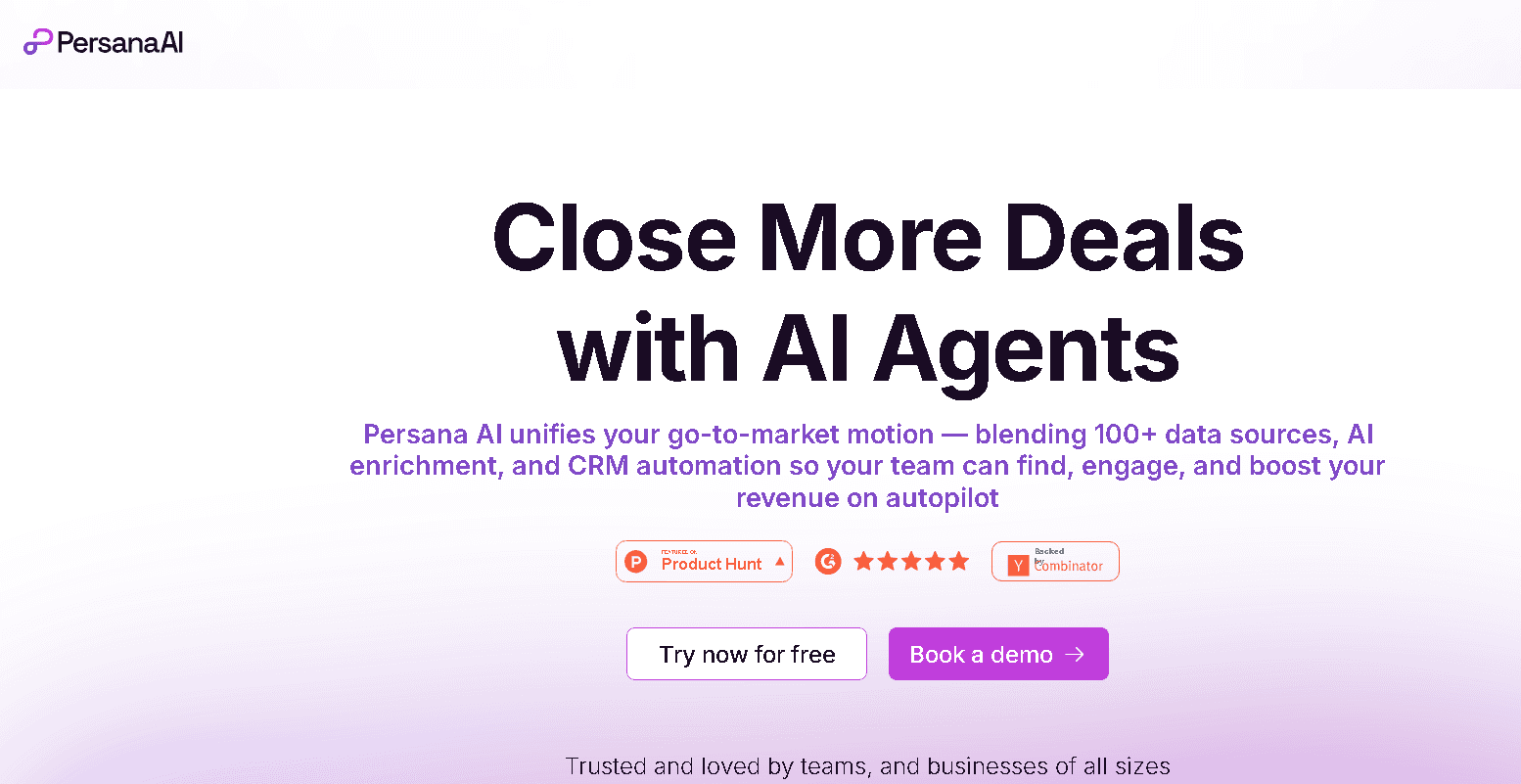
Persana is a Y Combinator-backed company that stands out. They use AI technology with data from over 75 sources to make sales prospecting and lead generation easier. Their waterfall enrichment approach gives them a big advantage in matching data accurately compared to other vendors.
The platform uses Quantum Agent Technology to qualify leads and add tech stack data and decision-maker details to contact lists around the clock. Their intent signal tracking system spots high-potential prospects by watching job changes, hiring patterns, funding rounds, and website visits.
Users love how the AI creates custom email and LinkedIn messages for large-scale outreach. Sales teams can save 8-10 hours each week on prospecting.
The pricing structure is clear with several options:
Free: Simple features with no credit card required
Starter: USD 68.00/month including 24,000 annual credits
Growth: USD 151.00/month with 60,000 annual credits and additional integrations
Pro: USD 400.00/month offering 216,000 annual credits with advanced webhook integrations
Unlimited: USD 750.00/month for unlimited enrichments
Persana works best for teams that target growing companies with active hiring. It helps businesses cut their sales cycle time by up to 65%. You can learn more about their waterfall enrichment technology and how it improves prospecting results at Persana.
2. Saleshandy Lead Finder – Best for affordability and accuracy
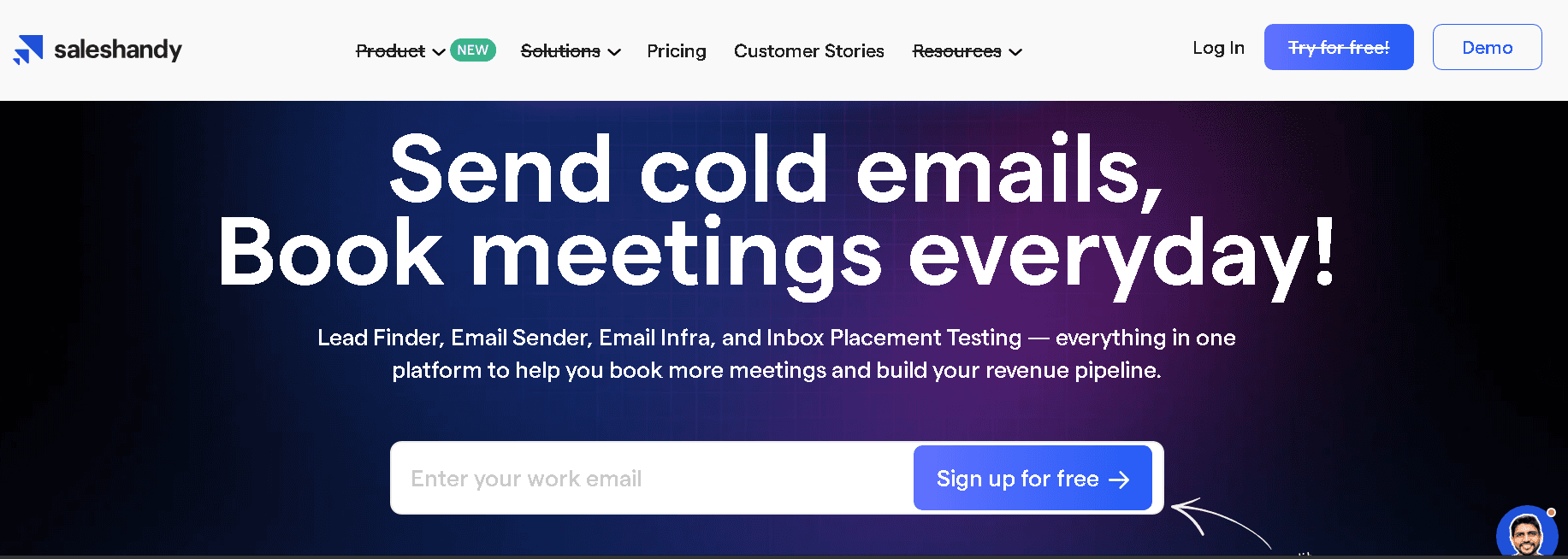
Saleshandy Lead Finder has one of the largest B2B databases with over 700 million profiles from 60 million companies worldwide. Their built-in email verifier checks email addresses in real-time and delivers contacts with 95%+ accuracy.
The Lead Finder gives you detailed contact information. You get personal and business emails, phone numbers, job roles, department details, revenue figures, and social profiles. The platform combines smoothly with Saleshandy's cold email system. You can add leads to email sequences, customize content, and start targeted campaigns in one place.
Plans start at USD 24.00/month with annual billing, which gives you 12,000 credits yearly.
The credit system is simple:
1 credit = verified email
2 credits = verified email + phone number
Saleshandy has earned the trust of thousands of businesses. Users regularly book 3-10 meetings each week through the platform.
[Continued in next part due to length...]
How to Choose the Right Email List Provider?
Picking the right email list provider needs more than just comparing prices. Your marketing reputation and campaign success are at stake.
Here are the key factors to look at before you buy any email database.
Check for live email verification
A reliable email list provider should make data accuracy their top priority—not an afterthought. You need platforms that offer real-time email validation to check each contact before delivery. This tech helps keep your deliverability rates high and protects your sender reputation.
You should break down whether the provider guarantees a specific bounce rate, ideally under 5%. Note that even a 1% rise in bounce rate can hurt your sender reputation and affect your entire domain's deliverability. ZeroBounce data shows proper verification can reach 99.6% accurate email validation.
Top providers use multi-step verification processes including:
Email syntax and domain validation
SMTP/email deliverability checks
Catch-all and bounce detection
Job title/role verification
Providers like Listmint say they can verify up to 84% of purchased contacts compared to the industry's 55% average. This helps campaigns create more meetings and deals. Better verification guides you toward higher open rates, click-through rates, and conversions because more emails reach their destination.
Look for GDPR, CCPA, and CAN-SPAM compliance
Today's regulatory environment makes compliance crucial. GDPR, CAN-SPAM, and CCPA control how you can collect and use personal data in email marketing. Missing these regulations can lead to heavy penalties and damage your brand's reputation.
CAN-SPAM, the oldest regulation, covers all commercial emails sent to U.S. users. Unlike GDPR, you don't need explicit user consent before sending emails, but users must know how to opt-out. Each separate email violation can result in penalties up to $53,088.
GDPR applies to all emails directed to or sent from EU countries. Users must give informed consent before receiving emails and should easily revoke this consent.
Your provider should offer:
Explicit consent records for each contact
Double opt-in data (vital for European and Canadian markets)
Clear unsubscribe options
Data lineage docs showing when, where, and how they got each contact
Your ESP should handle compliance automatically by adding unsubscribe links, tracking consent, and keeping user data safe.
Get clear on refund and credit rollover policies
Know your provider's policy for handling bad data before you commit. The best ones never charge for bad, invalid, or duplicate leads. Some providers give back credits for leads that fail verification automatically—if a lead doesn't meet standards, you get your credits back right away.
Look for clear credit systems. Some use a simple approach: 1 credit for a verified email, 2 credits for a verified email plus phone number. Check if unused or refunded credits move to future campaigns to maximize your ROI.
Clear refund policies show the provider's faith in their data quality. Quality providers like Listmint keep bounces under 1%, which stops email service providers from flagging your domain.
Check CRM and outreach tool integrations
Email marketing is usually one part of your bigger digital strategy. Your email list provider should merge naturally with your current tech stack, especially your CRM and outreach tools.
Teams using Salesforce might prefer providers like Cognism or Outreach that offer native integrations. These connections let you check purchased data instantly by linking to your CRM or marketing automation platform.
Good integrations also help create better segmentation and targeting strategies. Look beyond basic compatibility to see how data moves between systems some providers use webhook integrations for advanced automation.
Beyond tech compatibility, you might want providers with dedicated account managers who know your industry, guaranteed response times, and training resources like webinars and guides. This support can help you get the most from your purchased lists.
These four key areas will help you pick an email list provider that delivers real value instead of just selling contacts.
Is It Legal to Buy Email Lists in 2026?
The rules about buying email lists keep changing as we head into 2026. Buying email databases isn't against the law everywhere, but strict rules control what you can do with them once you get them. Here's what marketers should know about staying legal when they think about buying email lists.
Understanding GDPR, CAN-SPAM, and CCPA
Different major regulations handle email marketing compliance in their own way:
GDPR (General Data Protection Regulation) stands as the world's toughest standard. This European regulation needs clear permission before you send marketing emails to EU residents. Breaking these rules can cost you €20 million or 4% of your yearly global revenue—whichever hits harder. You can't use pre-checked boxes or assume people agree. The rules focus on being open with users and getting real permission to use their data.
CAN-SPAM Act takes a lighter approach in the United States. The 2003 law doesn't ban buying email lists but you must give people a clear way to unsubscribe from every email. Each violation might cost you up to USD 53,088 per email. Your emails need honest header information, truthful subject lines, and clear marking of ads.
CCPA (California Consumer Privacy Act) affects bigger companies that meet certain limits: USD 25 million+ in revenue, handling 100,000+ California residents' data yearly, or making 50%+ of money from selling personal information. Much like GDPR, CCPA lets consumers know about their data collection, ask for deletion, fix mistakes, and control how their sensitive information gets used.
Legal differences by region (US, EU, Canada)
United States: CAN-SPAM doesn't stop you from buying email lists or require permission before sending marketing emails. You just need to let recipients opt out and avoid tricks. This means you can send unrequested emails if you follow the rules by adding your physical address and handling unsubscribe requests within 10 business days.
European Union: GDPR works differently with its opt-in rule. Even a legally purchased email list becomes useless for EU recipients unless you can prove each person clearly agreed to get marketing from your company. List providers must transfer proof of consent documentation.
Canada: Canadian Anti-Spam Legislation (CASL) ranks among the toughest email laws worldwide. Since 2014, you need direct or implied permission before sending commercial messages to Canadians. CASL's implied consent has time limits and expires, while direct consent stays valid until someone opts out.
What makes a list 'compliant'?
A compliant email list in 2026 should meet these standards:
Proper consent documentation: Good list providers keep records of when and how each contact agreed. This includes exact times, methods used, and what people were told.
Transparent data collection: Contacts must come from legitimate sources with clear privacy statements about data use.
Opt-in verification: Double opt-in works best, as people confirm their subscription through a second email. This proves consent and reduces problems.
Regular verification and cleaning: Good lists get checked often to remove bad addresses and honor unsubscribe requests.
Data protection mechanisms: List providers should have strong security and know how to handle data breaches.
Legal requirements change based on where you are. Many email experts suggest building your own lists naturally instead of buying them. This gets you more interested subscribers and cuts down legal risks from using outside data.
Yes, it is possible to buy lists in some places, but sending emails without proper consent can lead to big fines. Any business that thinks about buying email lists should review their local laws and the rules that cover their target audience.
What to Avoid When Buying Email Lists?
Buying email lists might seem tempting, but it can wreck your marketing campaigns. The risks go way beyond legal issues. Let's look at some hidden dangers that could destroy your email marketing efforts.
Red flags: low prices, no segmentation, outdated data
You should watch out for warning signs that point to poor quality data when looking at email lists. Those suspiciously cheap prices usually mean someone's cutting corners or recycling old contacts. If a deal looks too good, it probably is.
Email databases go bad faster than you'd think. About 25% of your list will decay annually. B2B marketers face an even bigger challenge - their lists can lose up to 50%. This is a big deal as it means that even recently bought lists probably have lots of dead ends. List vendors rarely tell you how old their data really is, which leads to emails bouncing back.
Poor segmentation options are another warning sign. Good email databases let you filter contacts in detail. Vendors who sell generic, unsegmented lists usually try to hide that they got their contacts through shady methods, without proper permission.
Good list providers are open about their methods and can tell you:
How and when each contact agreed to be listed
Where the data came from
The last time they checked the information
In spite of that, many brokers hide their data sources. They try to look legitimate while skipping the steps needed for proper email outreach.
Risks of spam traps and honeypots
Spam traps and honeypots are the biggest threats you'll face with bought email lists. These fake email addresses catch spammers, and they come in different forms:
Pristine honeypots catch unauthorized senders. Nobody has ever used these addresses for real purposes. List vendors often grab them from websites where they're hidden. Sending emails to these addresses shows you're using questionable methods to get contacts.
Recycled traps are old email addresses that nobody uses anymore. ISPs and blocklist providers watch these addresses (like info@ or sales@) to catch senders with bad list practices.
Most bought lists have these dangerous traps. Your IP address or domain could end up on blocklists like Spamhaus if you trigger them. This ruins your chances of getting emails delivered. Getting off these blocklists takes forever and it's really hard.
The problems don't stop there. Bought lists often include throwaway addresses and dead mailboxes. Email providers look at bounce rates to spot spammers.
Why ESPs may block your campaigns
Email Service Providers (ESPs) don't want anything to do with purchased lists. This rule shows up in their terms of service, and they mean business.
Big names like Mailchimp, Constant Contact, and HubSpot have strict rules about spam. They only allow contacts who've agreed to get your emails. Using bought lists could lead to:
Your account getting shut down right away
Your domain getting blacklisted forever
Spam services finding out about you, which hurts you everywhere
The math makes sense - ESPs share IP addresses between customers. One person's spam hurts everyone else using that server. These providers keep a close eye on complaint rates, bounces, and how people interact with emails.
You don't need many complaints to get in trouble. Campaign Monitor says you should keep spam complaints under 0.02% - that's one complaint per 5,000 emails. Bought lists usually get way more complaints than that, putting your whole email system at risk.
Setting up your own email servers won't help either. Your IP and domain reputation still takes a hit, which can mess up all your company's emails.
Best Practices After Buying an Email List
Buying an email list is just the beginning of your work. Your next steps after getting these contacts will determine success or failure. The way you handle your purchased lists needs careful planning before you launch your first campaign.
Reverify emails before sending
Smart marketers run their newly purchased lists through verification tools, even when buying from trusted providers. This step helps you remove invalid or risky addresses that could hurt your sender reputation.
Marketing experts recommend verification because:
Your sender reputation takes a big hit when bounce rates go above 3-5%
B2B data decays at an alarming rate of 22.5% annually
Email lists lose about 25% of records yearly, and high-turnover markets see decay rates up to 70%
You should verify right before sending—not weeks or months after purchase. One study showed that over 2% of a verified list became invalid after just four weeks. Tools like NeverBounce, ZeroBounce, and BriteVerify help eliminate risky addresses.
Persana AI offers continuous verification as part of their waterfall enrichment approach, keeping your data fresh and practical.
Segment and personalize your outreach
After verification, split your list into strategic groups based on key characteristics. Good segmentation turns a basic list into targeted audience groups that connect better with personalized messages. Your business might need segments based on:
Geography, gender, language priorities, business type, engagement level, or purchase history. Industry, company size, and decision-maker role work best for B2B campaigns.
Personalization means more than adding first names to subject lines. Content tailored to specific segments shows recipients you get their needs. Research proves that even small personal touches reduce unsubscribe rates by a lot. Messages customized to industry, behavior, or demographics make contacts feel valued instead of targeted.
Warm up your sender domain
A gradual "warm-up" of your domain is crucial before sending to your whole purchased list—especially with new domains or ones that haven't sent outbound emails recently. Domain warming builds a good reputation with email service providers through steady volume increases.
Start with 20-50 emails daily per inbox, then increase volume as engagement stays strong. A typical 30-day warmup might begin with 50-100 emails daily to your most engaged contacts. Double the volume every few days if open rates stay above 20% and bounce rates below 2%.
Your warmup success depends on:
Targeting your most engaged recipients first
Keeping early messages free of links and images
Setting consistent sending patterns
Getting replies (even automated ones boost reputation)
Monitor bounce and open rates
Each campaign needs analysis of key metrics to improve your approach. Watch these numbers closely:
Bounce rates should stay below 2%. Track soft bounces (temporary issues like full inboxes) separately from hard bounces (permanent problems like invalid addresses). Remove hard bounces from future campaigns immediately.
Open rates tell you about engagement shoot for 40-60% or higher with purchased lists. Reply rates between 5-15% show strong performance. Lower metrics mean you need more segmentation or better messaging.
Regular maintenance prevents your list from going stale. Remove inactive contacts and track engagement patterns continuously. Marketing automation tools with list management features make this job easier.
Conclusion
Email lists remain powerful marketing tools in 2026. Buying them needs careful thought about several factors. This piece dives into top providers, legal requirements, and practices that make campaigns successful.
Your choice of provider makes a substantial difference. Persana AI delivers exceptional GDPR-compliant B2B data with their waterfall enrichment approach. Saleshandy Lead Finder balances affordability with accuracy. Apollo.io shines with multichannel outreach features. ZoomInfo brings enterprise-level data quality, while ContactOut focuses on LinkedIn-sourced contacts for recruiters.
List quality depends on verification as your first defense. Your decision process should include immediate verification, compliance guarantees, fair refund policies, and uninterrupted integrations before you commit to any provider.
The legal world is complex yet manageable. GDPR demands strict opt-in requirements from European recipients. CAN-SPAM sets US boundaries, and CCPA protects California residents' privacy rights. Knowledge of these regulations helps you stay compliant and avoid getting pricey penalties.
The benefits are clear, but watch for red flags when buying lists. Poor quality often shows up as unusually low prices, missing segmentation options, and outdated data. Spam traps and honeypots can permanently hurt your sender's reputation.
Success with your purchased list depends on your approach. You need to reverify contacts before sending, segment your audience well, warm up your sender domain step by step, and track key metrics to make the most of your investment while reducing risks.
Buying email lists brings opportunities and challenges. Quality compliant data and smart implementation can speed up your marketing efforts. Cutting corners will lead to delivery issues, reputation damage, and legal troubles.
Smart marketers see purchased lists as strategic assets that need proper handling. Your care in picking providers, checking data, and following best practices determines if buying email lists propels development or becomes a costly mistake for your business in 2026.
FAQ
Is buying email lists legal?
The law doesn't completely ban buying email lists, but using them incorrectly can break several regulations. US CAN-SPAM laws allow you to buy lists if you add unsubscribe options and include your physical address in messages. The European GDPR takes a stricter approach and requires proof of consent from each person on your list, which makes most purchased lists useless for EU contacts.
Canadian CASL rules need either direct or implied consent before you send commercial emails. The act of buying lists itself isn't illegal, but sending emails without proper consent can result in heavy fines - up to €10 million under GDPR or USD 53,088 per email under CAN-SPAM.
Can you still buy email lists?
Email lists are accessible from many providers in 2026. Companies like Persana AI, ZoomInfo, and Saleshandy sell B2B contact data that follows regulations. These sellers keep records of consent and how they collect data. Most email service providers won't let you use purchased lists because they can hurt email delivery rates. Your account might even get banned if you're caught using lists that don't follow the rules.
How much is a 1000 email list worth?
You'll pay between USD 100-400 per thousand contacts for consumer email lists. B2B email lists cost more, ranging from USD 600-1000+ per thousand emails. Lists with decision-maker details or specific industry focus can cost USD 1-5 per contact. Saleshandy charges about USD 57 to generate and verify 1,000 targeted emails. The final price depends on list quality, sorting options, and how well the emails are verified.
Key Takeaways
Buying email lists in 2026 requires careful provider selection, legal compliance, and strategic implementation to maximize ROI while avoiding costly penalties and reputation damage.
• Choose verified, compliant providers: Top platforms like Persana AI, Saleshandy, and Apollo offer GDPR-compliant data with real-time verification, ensuring 95%+ accuracy and legal protection.
• Understand regional regulations: GDPR requires explicit consent for EU contacts, CAN-SPAM allows opt-out approach in US, while violations can cost up to €20M or $53,088 per email.
• Always reverify before sending: Even quality lists decay 22-25% annually, so verification prevents bounce rates above 5% that damage sender reputation permanently.
• Implement proper warmup strategies: Start with 20-50 emails daily, gradually increase volume, and monitor metrics to establish domain credibility with ESPs.
• Avoid red flags and spam traps: Low prices, no segmentation, and outdated data often contain honeypots that trigger blocklists and ESP account suspensions.
Quality email lists cost $0.10-$5 per contact depending

Create Your Free Persana Account Today
Join 5000+ GTM leaders who are using Persana for their outbound needs.
How Persana increases your sales results
One of the most effective ways to ensure sales cycle consistency is by using AI-driven automation. A solution like Persana, and its AI SDR - Nia, helps you streamline significant parts of your sales process, including prospecting, outreach personalization, and follow-up.