Blogs
Articles

AI Development Platform: Key Features and Leading Solutions in 2026
Companies that use specialized AI development platforms create their AI products 40% faster than those using general-purpose tools or building from scratch. This major improvement explains why AI development platforms have become vital tools for forward-thinking companies in 2026.
AI for software development has become a necessity rather than a luxury in today's competitive world. Generative AI software changes how people and businesses handle everything from creative tasks to data analysis. The market offers several options like Aider, Cursor, Zed, Claude Code, and GitHub Copilot. Your team's specific needs should guide your platform choice.
This piece will help you learn about features that make leading AI development platforms stand out in 2026. We'll compare top market solutions and guide you to pick a platform that matches your development goals. Let's explore!
The State of AI Development Platforms in 2026
AI development platforms have matured substantially by 2026. The focus has shifted from headline-grabbing models to practical, enterprise-scale implementation tools. Deloitte predicts the AI industry will prioritize making AI usable at scale rather than generating new capabilities alone by 2026.
Why AI development needs specialized platforms
Specialized AI development platforms deliver measurable business value that stimulates growth and builds competitive advantages. These platforms cut project timelines and infrastructure overhead by automating repetitive tasks and optimizing resources. Enterprise-grade AI software handles faster growing datasets without performance loss and supports growth in cloud, on-premise, or hybrid environments.
Strong AI development software boosts ROI, enhances team collaboration, and improves efficiency. Teams without specialized platforms face overlapping functionality, maintenance overhead, and inconsistent workflows—factors that affect stability.
How platforms evolved from 2023 to 2026
AI platforms have evolved toward agentic capabilities over the last several years. McKinsey reports 62% of organizations experiment with AI agents in 2026, while 23% already scale agentic AI systems in their enterprises. Inference-focused computing has revolutionized platform architecture. Deloitte predicts inference will represent two-thirds of all AI computing power by 2026.
Modern platforms feature sophisticated orchestration layers with unified "command centers" that help users catch mistakes and monitor performance. Advanced platforms now blend visual builders, low-code interfaces, and evaluation frameworks to ensure system quality and reliability.
Common challenges teams still face
Nearly two-thirds of organizations haven't started scaling AI across their enterprise despite widespread adoption. Most companies remain in experimenting or piloting stages. Only about one-third report they've begun scaling their AI programs.
So, teams continue to face challenges with data quality, integration complexities, and cybersecurity concerns. Technical expertise gaps create knowledge silos and increase dependence on external vendors for deployment and maintenance. Multiple frameworks, libraries, and services create compatibility issues that affect workflows and system stability.
Organizations don't deal very well with converting Responsible AI principles into operational processes, especially when you have agentic workflows spreading faster than governance models can address their unique needs.
Key Features to Look for in an AI Development Platform
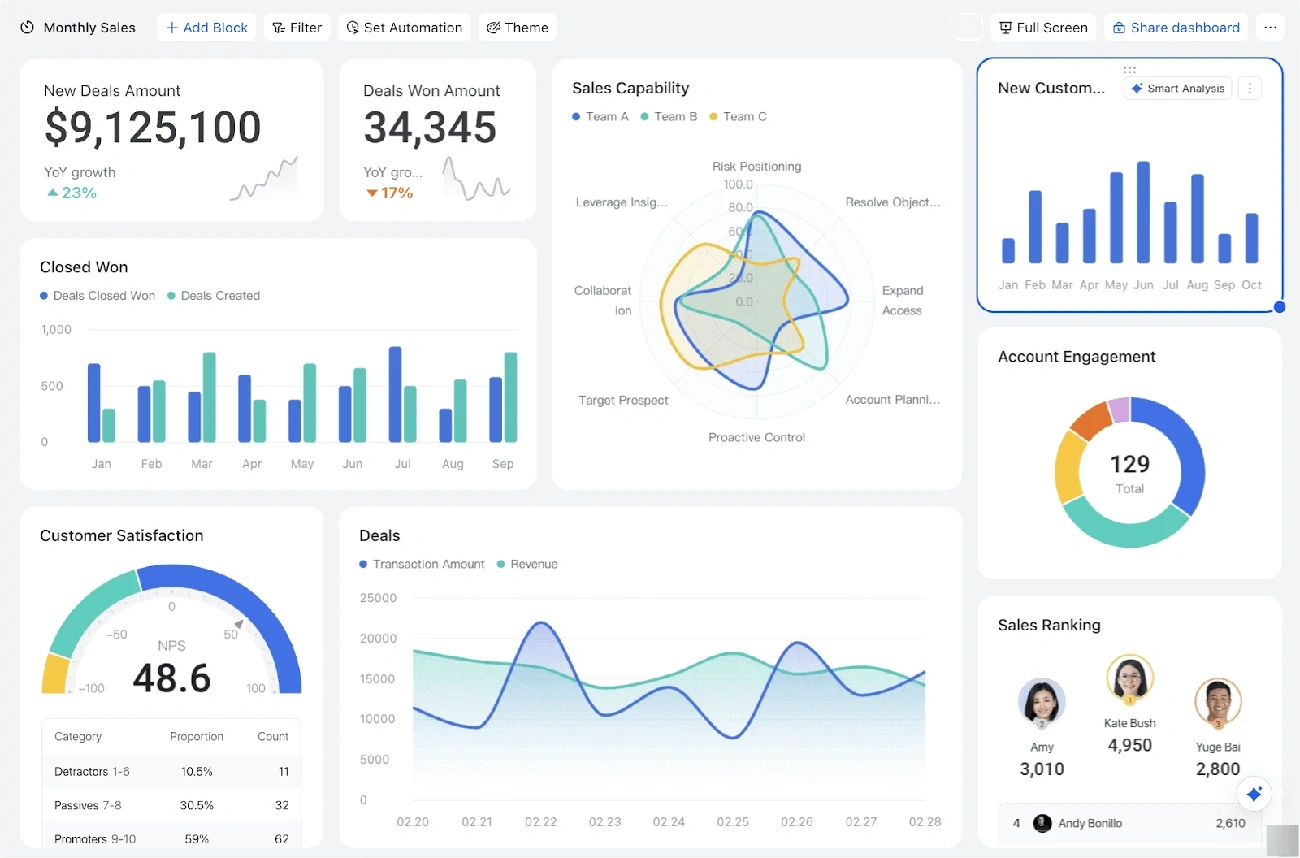
You need to evaluate several significant capabilities that lead to successful AI implementation when choosing the right AI development platform. These five feature categories deserve attention as you look at your options in 2026.
Visual builders and low-code tools
AI development platforms now offer visual interfaces that speed up development cycles. These tools help both developers and non-developers make use of existing tech investments to ship faster. Teams can automate repetitive tasks through AI-assisted development while they retain control over the final output.
AI-first platforms focus on speed you describe what you want, the system generates an app, and you iterate through natural language. Hybrid visual development platforms combine the speed of no-code with the extensibility of real code. They offer AI features to build faster and let developers add custom logic when needed.
Built-in evaluation and testing frameworks
Quality assurance remains essential for AI applications. Leading platforms include integrated tools that evaluate model performance in multiple ways. To name just one example, EvalAI lets you create custom evaluation protocols with any number of evaluation phases and dataset splits. Advanced platforms get more efficient by warming up worker nodes at startup. They import challenge code and pre-load datasets in memory, which results in evaluation speeds up to 10 times faster in some cases. Teams can really test their models before deployment to ensure reliability in production.
Collaboration and version control
Version control plays a vital role in software development, and it becomes even more significant for machine learning projects. The platform you choose should have resilient collaboration features. These features connect data scientists, engineers, and business stakeholders through centralized tools and efficient workflows. The best platforms track changes in detail during model development. They create branches for each feature, parameter, and hyperparameter modification. Teams can analyze changes one at a time while keeping all modifications related to the same model in a single repository.
Continuous deployment and iteration
Modern AI platforms should make deployment simple with flexible options in cloud, on-premises, or hybrid environments. Look for platforms with infrastructure that works with elastic scaling. This lets enterprises grow their resources as projects expand without major configuration changes or getting pricey hardware upgrades. The ability to deploy with a single click helps teams iterate rapidly. The platform handles quality assurance, code reviews, and immediate monitoring.
Security, compliance, and observability
Security features are non-negotiable in today's regulatory landscape. The most resilient platforms include:
Role-based access controls, audit logging, and compliance with relevant standards (SOC 2, HIPAA, GDPR)
Built-in observability to track accuracy, throughput, and input distributions
Guardrails to detect and block harmful content like violence, hate, and self-harm
Privacy impact assessments that integrate into your AI development lifecycle
The right AI development platform should balance powerful capabilities with enterprise-grade security. This makes advanced AI available while maintaining governance standards.
Top AI Development Platforms to Consider in 2026
The AI development platform market now offers specialized solutions that match specific team needs and workflows. Here are the top platforms to watch in 2026:
Vellum AI: Best for collaborative agentic workflows
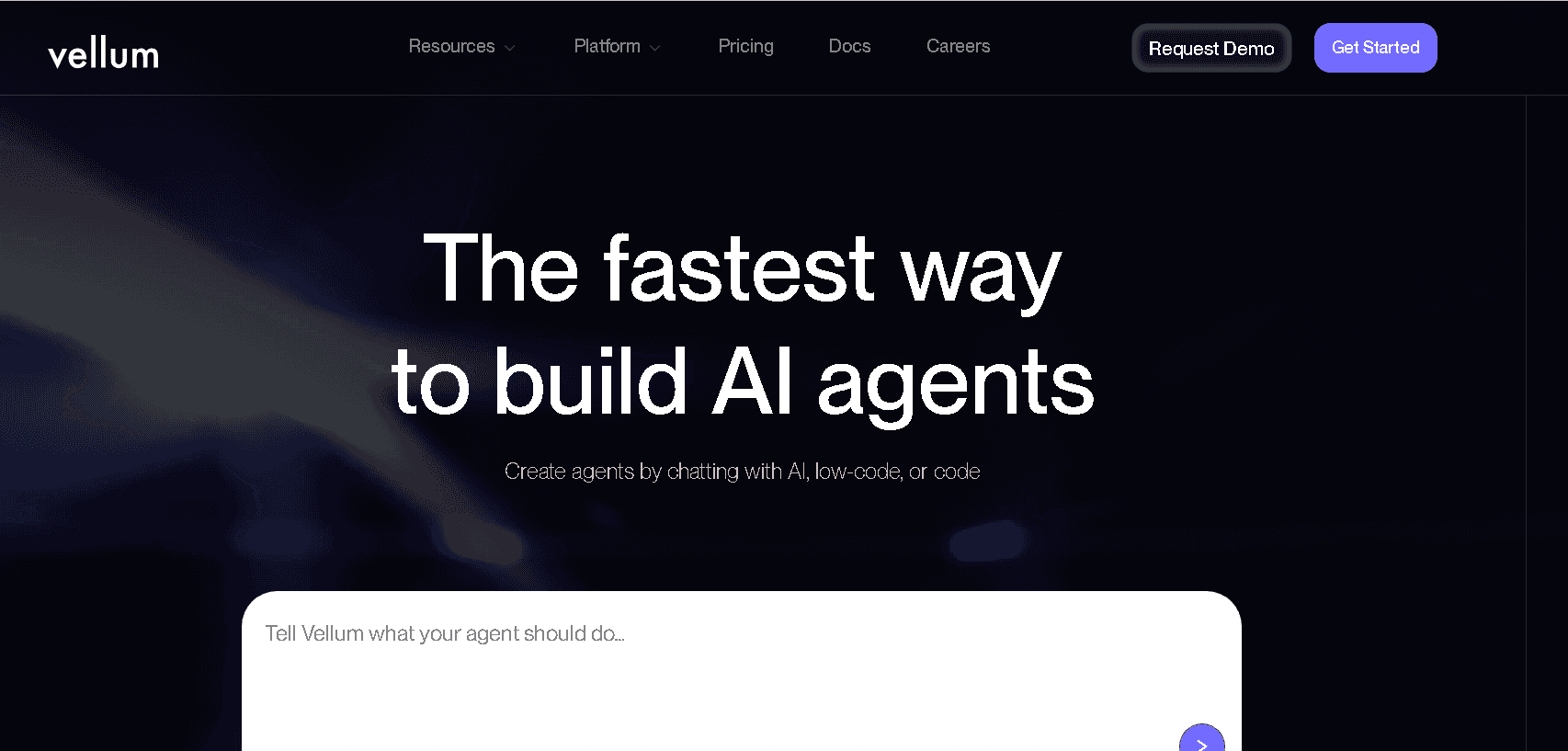
Vellum excels with its unified AI automation platform that helps teams build, evaluate, and govern AI agents. Teams can work together on its collaborative canvas while using built-in evaluations and versioning to iterate safely. Natural language prompts allow teams to create agents quickly and share them through AI Apps.
Microsoft Azure AI: Best for enterprise integration
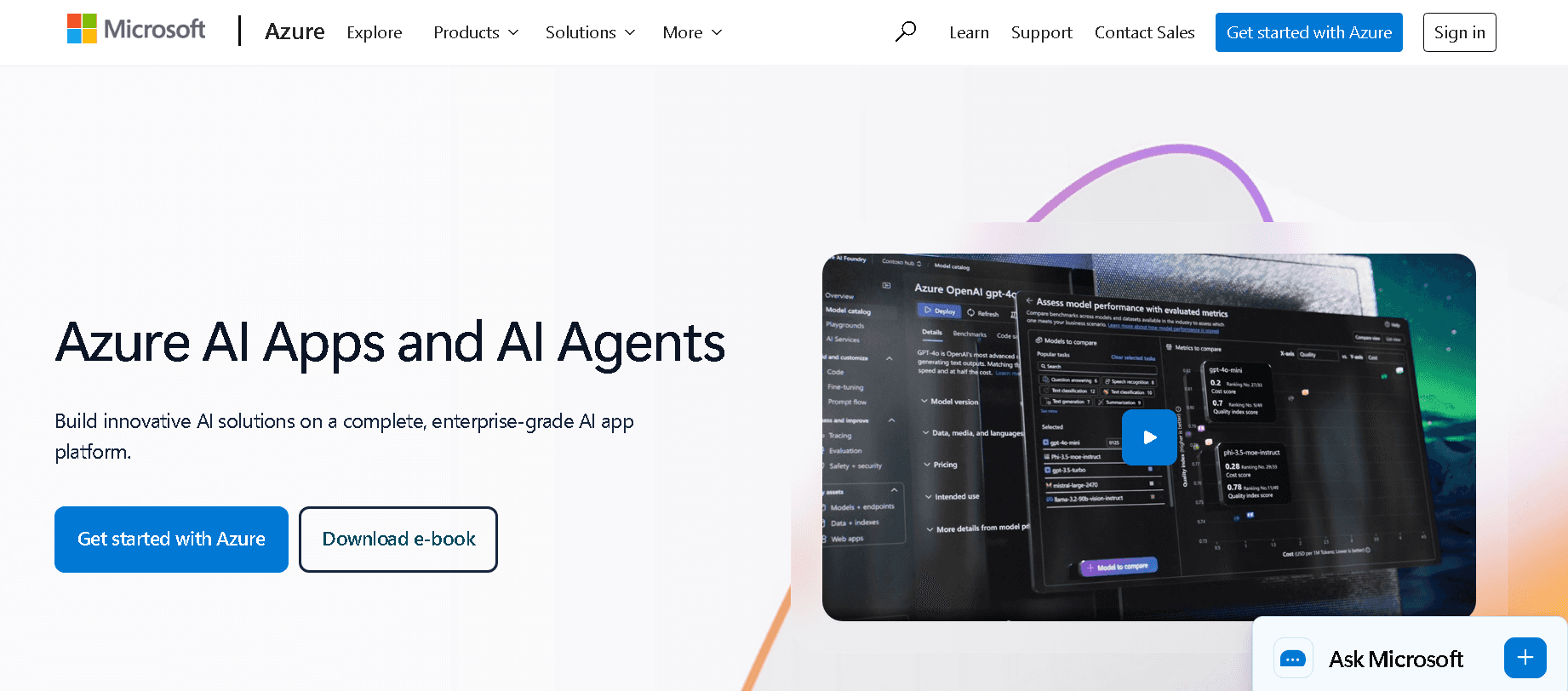
Azure AI delivers a detailed enterprise-grade platform with a catalog of models, agents, and tools. Teams can improve LLM application development through systematic experimentation with its prompt flow. The platform combines smoothly with existing systems and lets teams share models, prompts, and experiment results easily.
AWS SageMaker: Best for flexible infrastructure
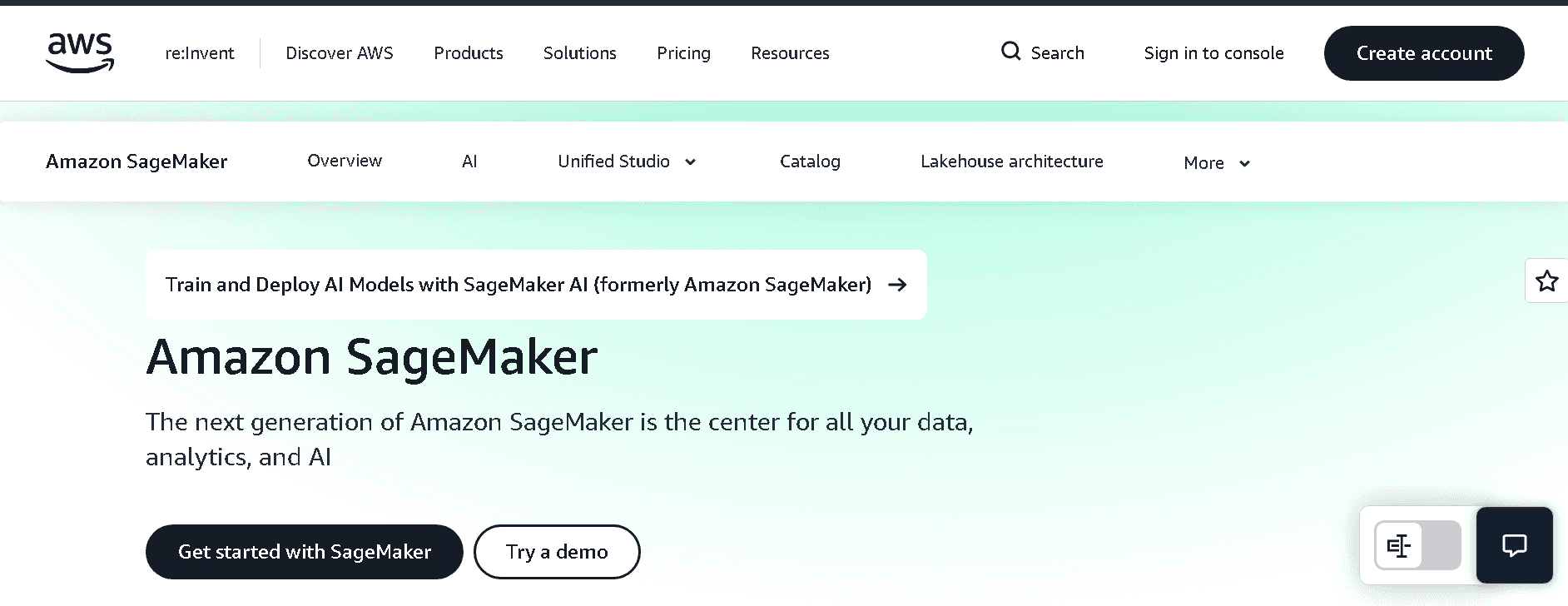
SageMaker Unified Studio combines a fully managed, serverless notebook with a built-in AI agent. Teams can cut training time by up to 40% with its HyperPod capability and create budget-friendly training plans.
Google Vertex AI: Best for data-driven ML
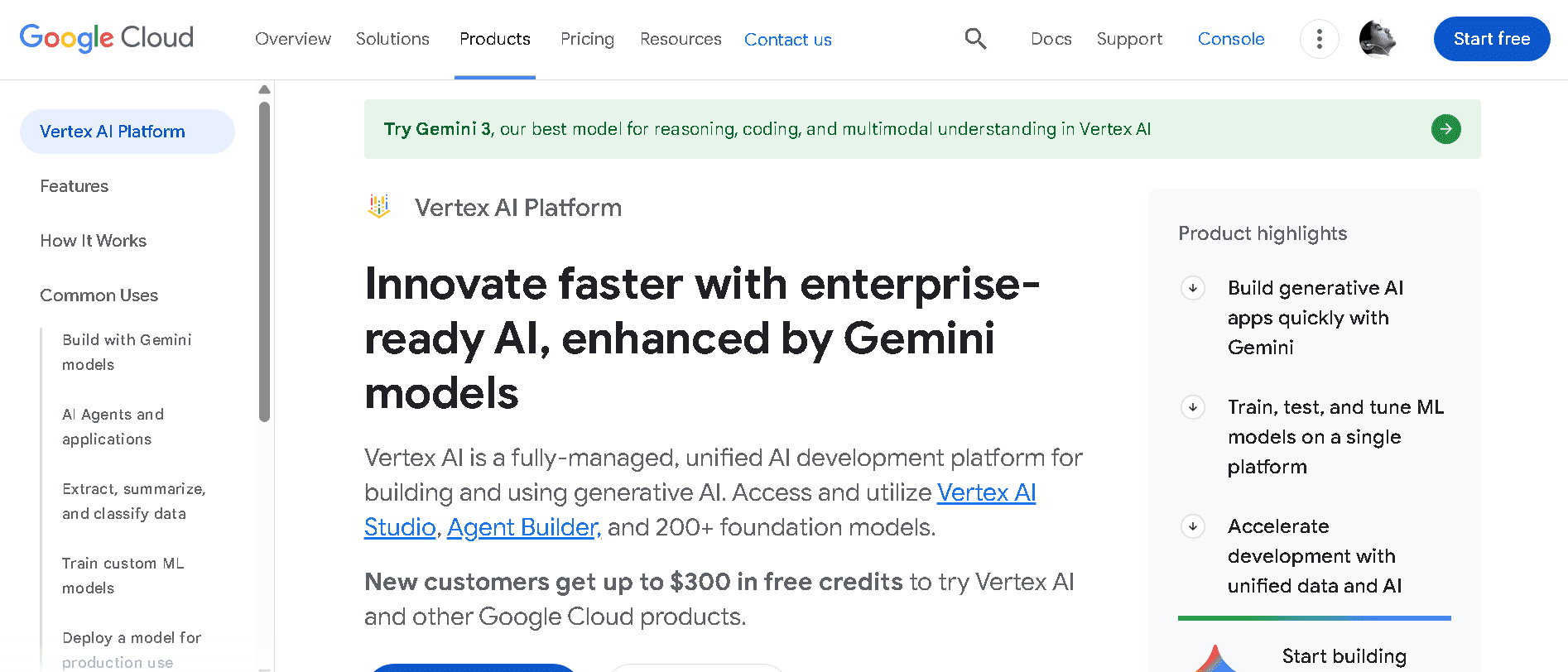
Vertex AI gives teams access to over 200 foundation models through Model Garden, including options from Google, third-party partners, and open-source communities. The platform simplifies the entire machine learning workflow from data preparation to deployment.
GitHub Copilot and Cursor IDE: Best for developers
GitHub Copilot boosts developer job satisfaction by 75% and coding productivity by 55%. Cursor makes development better with context-aware features that understand entire codebases. You can find more platform evaluations at Persana.ai to help with your decision.
How to Choose the Right Platform for Your Team?
The right AI development platform must line up with your organization's unique needs. Your specific requirements deserve careful assessment before you commit to any solution.
Match platform features to your team's technical skills
Pick platforms that line up with your organization's AI maturity level. Your AI adoption should match your current capabilities, from experimental projects to enterprise-wide scaling. The best platforms offer both low-code environments for business users and customizable frameworks that technical teams can work with.
Assess integration with your existing tools
The right platforms connect easily with your current technology stack. You should assess whether the platform works through APIs or pre-built connectors with your existing infrastructure. This integration eliminates data silos and builds a unified architecture for complete data management.
Think over scalability and long-term costs
Your chosen AI platform should handle:
Exponential increases in data volume
Growing model complexity
Expanding deployment needs
Future workforce requirements
The total cost of ownership needs careful analysis, including subscription fees, maintenance, and hidden costs. Your platform should scale from pilot to production without losing performance.
Let ground use cases guide your decision
Make your choice based on practical applications that matter in your industry. Small-scope projects work best before you move to bigger initiatives. Persana offers individual-specific guidance to help find your perfect platform.
Conclusion
AI development platforms are reshaping how organizations gain competitive advantages in 2026. Companies using these specialized tools report 40% faster time-to-market compared to traditional development methods.
The progress from general-purpose tools to sophisticated platforms shows how the AI world has matured. Teams now build, assess, and deploy AI solutions differently thanks to agentic capabilities and inference-focused computing. The most effective platforms today combine visual builders, evaluation frameworks, team features, smooth deployment options, and strong security measures.
Your team's platform choice needs to match your organization's technical skills, tech stack, and future plans. Platforms like Vellum AI, Microsoft Azure, AWS SageMaker, Google Vertex AI, and GitHub Copilot each bring unique advantages to specific use cases.
Success with AI comes down to striking the right balance between powerful features and enterprise security. The ideal platform should make advanced AI available while you retain control through proper governance that protects both your organization and customers.
Start with smaller projects before taking on bigger challenges. Teams that use specialized development platforms will create innovative solutions as AI advances rapidly. These solutions will drive business value and build lasting advantages in our AI-powered future.
Key Takeaways
Organizations leveraging specialized AI development platforms are achieving significant competitive advantages, with measurable improvements in development speed, collaboration, and deployment success rates.
• Specialized platforms deliver 40% faster time-to-market compared to general-purpose tools, making them essential for competitive AI development in 2026.
• Look for five critical features: visual builders, built-in evaluation frameworks, collaboration tools, seamless deployment, and enterprise-grade security compliance.
• Platform selection should match your team's technical skills and integrate seamlessly with existing infrastructure to maximize ROI and minimize disruption.
• Leading solutions serve different needs: Vellum AI excels at collaborative workflows, Azure AI for enterprise integration, AWS SageMaker for flexible infrastructure, and Vertex AI for data-driven ML.
• Start with manageable pilot projects before scaling to enterprise-wide implementation to ensure successful adoption and long-term value creation.