Blogs
Articles

What Is Revenue Generation? [+Strategies For 2026]
Did you know that B2B companies using detailed data analytics see up to a 15% increase in revenue generation compared to their competitors?
Revenue generation builds the foundation for business growth and longevity. The most innovative business models will eventually fail without steady revenue. Businesses need to understand effective revenue generation strategies to thrive in today's competitive world.
Revenue generation encompasses various income sources that power a business. Product sales, subscription models, licensing, and advertising create revenue streams that provide financial resources. Companies need these resources to invest in growth initiatives, enter new markets, develop new products, and scale operations.
The numbers speak for themselves - 70% of marketers put their money into content marketing because they see direct results in improved revenue generation. This shows why businesses need multiple approaches to create lasting income.
This piece will explore revenue generation's definition, identify revenue drivers in business, and share eight proven strategies to boost your 2026 revenue and beyond. Let's tuck in!
What Is Revenue Generation?
Revenue generation covers all activities that bring money into a business. Companies earn money through various strategies - selling products and services, running marketing campaigns, and creating customer loyalty programs.
What is a revenue strategy?
A revenue strategy maps out ways to maximize profit margins while keeping costs down. Marketing activities, pricing strategies, customer success initiatives, and product development work together in this approach. Your business needs a complete plan to boost revenue from existing customers, bring in new leads, and manage expenses. The right strategy helps your company shine in its industry and draw potential buyers.
How to increase revenue?
Your business can boost revenue in four main ways:
Increase the number of customers - Grow your customer base with better marketing and wider geographical reach.
Increase average transaction size - Use upselling techniques so customers buy more.
Increase transaction frequency - Get existing customers to make purchases more often.
Raise your prices - Adjust pricing strategically to earn more per purchase.
Businesses that set clear revenue goals become 72% more profitable. Success comes from building high-performing sales teams and focusing on customer retention. Existing customers buy again 60-70% of the time, while new customers only convert at 5-20%.
Why is it important to generate revenue?
Revenue matters for several key reasons:
Revenue accelerates business growth and expansion into new markets.
Your company needs it to pay for operations, employee salaries, rent, and supplies.
Teams can invest in breakthroughs when they have resources for research and development.
Stakeholders see business stability, making it easier to get funding and hire skilled professionals.
Profits can't exist without enough revenue coming in.
Revenue acts as the lifeblood of any business. Even the most innovative business models will fail without it.
Who Drives Revenue in a Business?
Revenue generation has become a team sport where departments work together for steady growth. Research shows that approximately 40% of SaaS revenue now comes from renewals and expansion. This highlights how modern revenue strategies rely on collaboration.
Sales and business development
Sales teams directly affect revenue by finding leads and closing deals. Business development creates future growth opportunities, while sales turns these opportunities into immediate revenue. Sales teams chase short-term goals, but business development targets long-term strategic growth through market research, networking, and building partnerships.
Marketing and brand awareness
Marketing teams bring in quality leads through campaigns, content creation, and advertising. Their role now extends beyond lead generation. They play a crucial part in the revenue cycle, from consideration to transaction stages. When marketing and sales teams work well together, companies can achieve 2.4x higher revenue growth.
Customer success and retention
Customer success teams hold a unique position to boost revenue through retention and expansion. They build strong relationships with customers and spot upsell opportunities while working with clients. Studies reveal that a mere 5% increase in customer retention rates can increase profits by 25-95%.
Product and RevOps teams
Product development teams create and improve what companies sell, based on what the market needs. Revenue Operations (RevOps) coordinates all revenue-related activities across departments. This breaks down silos and creates a smooth customer experience.
8 Proven Revenue Generation Strategies for 2026
Looking ahead to 2026, businesses need practical ways to drive green revenue growth. Here are eight proven ways to boost your bottom line:
1. Set clear revenue goals and KPIs
Companies that set clear revenue goals are 43% more likely to reach them. Your growth needs SMART objectives (Specific, Measurable, Achievable, Relevant, Time-bound). Track key performance indicators like customer acquisition cost, lifetime value, and net recurring revenue 73% of executive sales leaders now make this a priority. Custom CRM dashboards help you track these metrics and keep the momentum going.
2. Build a high-performing sales team
A successful sales team is the life-blood of revenue generation. Hire people who know your industry and match your company's culture. Keep your team sharp with ongoing training in new sales techniques. Set targets that challenge but don't overwhelm them. Teams with specialized sales roles see 15% faster revenue growth.
3. Line up marketing with revenue targets
Sales and marketing teams working together make businesses three times more likely to exceed customer acquisition targets. Create a strategy where both teams share KPIs focused on revenue effects rather than just lead generation. Teams should meet regularly and use shared platforms to keep customer messages consistent.
4. Use data to improve decision-making
Companies with access to up-to-the-minute data analysis grow 50% faster than those without. Persana.ai tools can spot opportunities in customer behavior patterns and market trends. Data-smart companies outperform others with 4% higher productivity and 6% higher profits.
5. Optimize your pricing strategy
Pricing can make or break revenue growth yet many companies just "set and forget". Smart pricing strategies can add 2-8% to yearly revenue. Harvard Business Review shows that just 1% more in price leads to 11.1% more profit. Think about value-based pricing, especially for subscription businesses. This helps maximize revenue per user while showing your product's true worth.
6. Upsell and cross-sell to existing customers
Smart upselling can boost your customer's lifetime value by 20-40%. Offer premium versions of products they already use or add-ons that make their experience better. McKinsey research shows that cross-selling techniques boost revenue by 20% and profits by 30%. Note that selling to current customers brings 5-25 times more profit than finding new ones.
7. Keep improving your product
Better products mean more revenue through happier customers and new market opportunities. Listen to user feedback to find pain points. Add updates and premium features that customers will pay for. This strategy helps justify price increases and keeps customers around longer.
8. Explore new revenue streams
Different income sources protect you when markets change. You could try subscription models for steady income, turn your know-how into premium content, or build mutually beneficial alliances. Before launching anything new, check if it fits your mission and review if it's doable. Start small with new ideas and scale up what works.
How to Measure and Forecast Revenue Effectively
Accurate measurement and forecasting are the life-blood of successful revenue generation. Sales leaders forecast within 10% accuracy 43%, which shows most important room to improve.
Revenue forecasting works best when you start with accurate financial data from income statements and cash flow records. The next step involves selecting appropriate time periods typically annual plus quarterly increments. Your team should evaluate internal factors (product offerings, capacity) and external influences (market conditions, seasonality).
Sales teams can choose from several forecasting methods, each with unique strengths:
Moving Average: Calculates average revenue over specific periods; ideal for stable patterns
Regression Analysis: Establishes relationships between revenue and variables like marketing spend
Bottom-up Forecasting: Estimates revenue by summing individual components
Of course, modern forecasting needs sophisticated tools. Your automated systems connect directly to CRM, billing platforms, and ERP systems. This eliminates manual data entry and provides live analysis. Persana data analytics solutions can improve your forecasting accuracy - visit Persana to learn more.
CROs need year-to-date performance views, while sales managers require detailed pipeline visibility through customized dashboards. On top of that, tracking key metrics like Annual Recurring Revenue (ARR), Net Revenue Retention (NRR), and Customer Lifetime Value (CLV) offers detailed insight into your revenue health.
Who is responsible for revenue generation?
Revenue generation extends beyond sales teams to encompass the entire organization. The CEO and executive leadership team establish revenue targets that guide all departments toward these objectives.
Modern businesses now understand the benefits of unified revenue functions. Companies have started creating expanded Revenue Operations (RevOps) roles to manage commercial assets and customer experiences more effectively. Revenue Operations VP at Affirm, to name just one example, reports directly to the Chief Commercial Officer and oversees analytics, sales enablement, and incentive compensation.
Accountability drives successful revenue generation. Organizations that implement standardized systems and line up their teams with clear individual metrics see immediate revenue improvements. This strategy needs service level agreements between departments. Regular performance reviews prevent team handoff issues.
Each percentage point improvement in the revenue process conversion rates directly affects overall revenue. Smart organizations recognize this and appoint a leader to unite sales, marketing, and service operations. Industry experts call this unified approach a "high-octane growth machine".
Conclusion
Revenue generation is the life-blood of business success in today's competitive market. In this piece, we've learned how successful revenue strategies work by combining multiple approaches. These range from optimized pricing and strong sales teams to evidence-based analytics and income streams of all types.
Sales teams no longer shoulder the entire burden of revenue generation. This responsibility now spreads throughout departments. Many innovative organizations call this their "high-octane growth machine." Marketing, sales, customer success, and product teams work together under shared strategies and goals.
Numbers prove how well this shared approach works. Companies that use cross-selling techniques see a 20% boost in revenue and 30% higher profits. Companies with specialized sales roles grow revenue 15% faster. Those with access to live data grow 50% faster than their competitors.
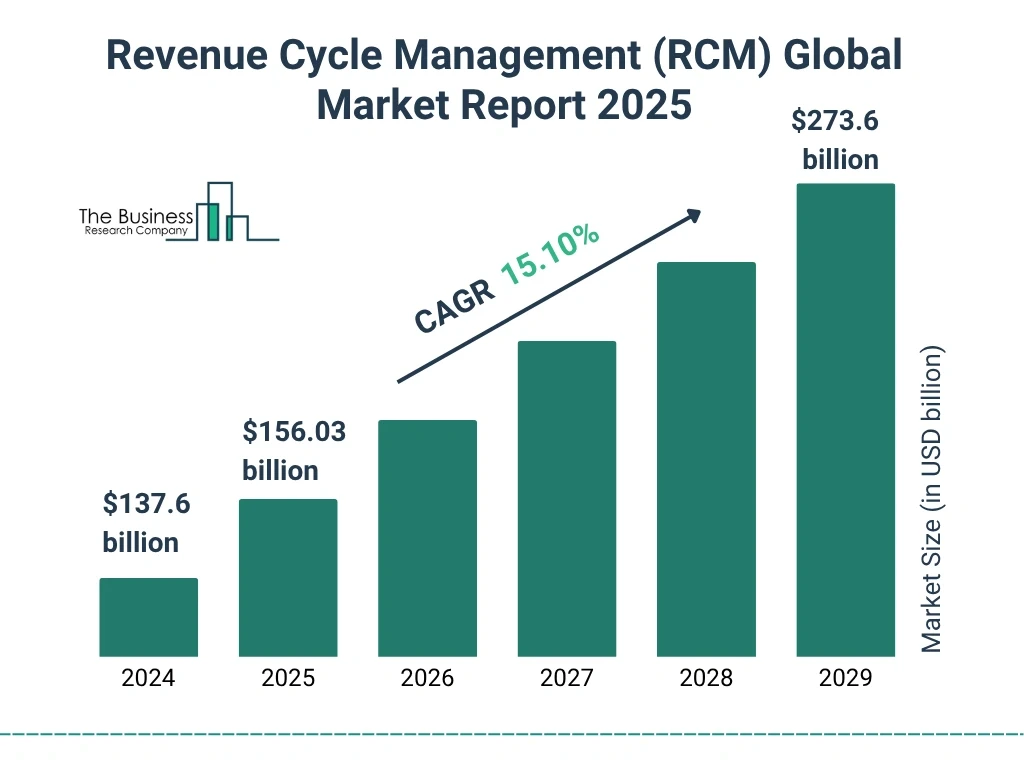
Without doubt, strategic planning, teamwork across departments, and evidence-based decisions shape the future of revenue generation. B2B companies using detailed data analytics earn 15% more revenue than their competitors. On top of that, the Revenue Cycle Management market keeps growing fast and should hit $273.6B by 2029.
Your journey to lasting revenue growth needs SMART objectives, meaningful KPIs, and technology that gives live insights. Smart pricing changes, customer retention work, and better products will boost your revenue potential even more.
Companies that will succeed by 2026 will tear down department walls and unite teams around shared revenue goals. They will adapt quickly as markets change. Start using these proven strategies now to set your organization up for strong revenue growth in the coming years.
FAQ
Many businesses find it hard to grasp the nuts and bolts of revenue generation. Let's explore common questions about this significant business function and clarify some fundamental concepts.
What is a revenue generating activity?
Revenue generating activities (RGAs) are operations that produce income by providing goods or services. These activities include setting business goals that match sales and marketing with revenue targets. RGAs need well-laid-out structures, proven best practices, clear metrics, and team training. The most effective RGAs focus on tasks that directly produce income rather than just supporting it. Cold calling, proposal submissions, email offers, product demos, and referral follow-ups serve as prime examples.
What do you mean by income generation?
Total earnings a business receives before expense deductions define income generation. Revenue generation focuses on sales and marketing strategies to create stable income throughout the business. Income covers both operating income from core activities and non-operating income such as interest or asset sales. Financial analysis treats these terms as related but distinct concepts.
What is the revenue generation model?
A revenue model serves as a framework to generate financial income. The model pinpoints revenue sources, value offerings, pricing strategies, and target customers. Companies use a well-defined revenue model to target specific audiences, fund development plans, create marketing strategies, and secure capital. New businesses often struggle without a clear model to achieve financial stability.
What are the different forms of revenue generation?
Revenue generation comes in several forms: production/manufacturing where companies sell created goods, construction for client projects, and renting/leasing for temporary use payments. Media platforms generate income through advertising, while commission-based systems earn fees from transaction mediation. Other models include fee-for-service charges, licensing rights sales, subscription-based recurring payments, and freemium services with premium paid features.
How to calculate revenue generation?
The quickest way to calculate revenue uses this simple formula: Revenue = Quantity Sold × Selling Price
This standard method multiplies the quantity of goods or services sold by their prices. Businesses using revenue generation processes typically determine job-to-date revenue for each project. They update current period revenue, calculate unbilled amounts, and create journal entries for newly calculated information.